
Physiokinetix: Pelvic Floor Integration With Breath
(Ball Squeeze Technique)
Understanding Pelvic Floor Mechanics
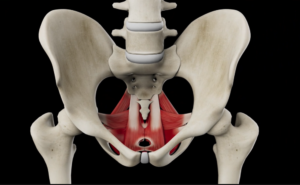
The pelvic floor is a complex muscular system that supports the bladder, reproductive organs, and bowel while also playing an important role in pressure regulation throughout the trunk. Rather than functioning as an isolated muscle group, the pelvic floor works as part of an integrated system with the diaphragm, abdominal wall, hips, and spine.
When this system is balanced, the pelvic floor provides dynamic support for the pelvis while coordinating with breathing and trunk stability.
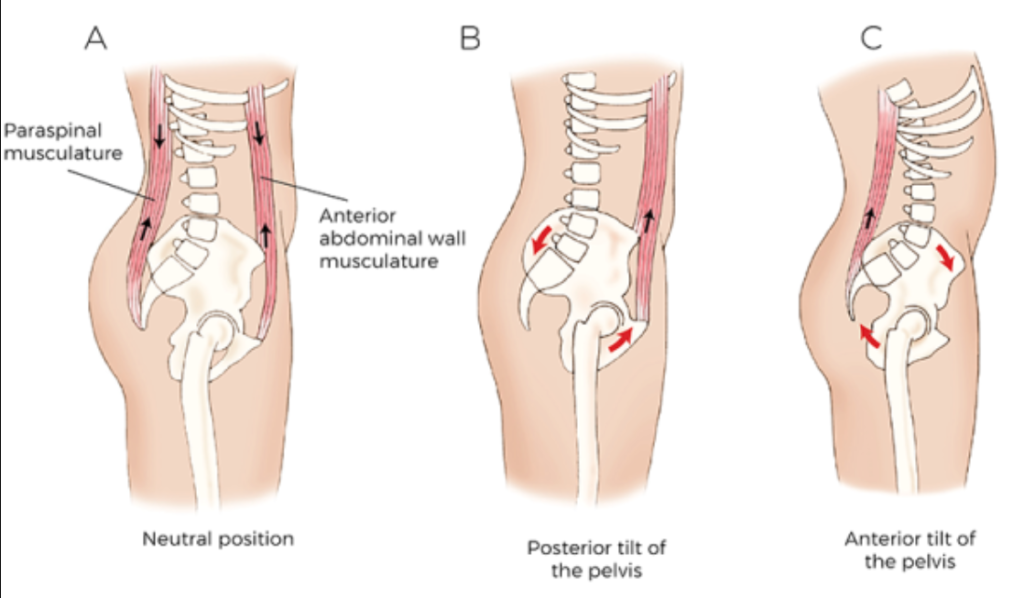
Spinal alignment strongly influences pelvic floor mechanics. Excessive lumbar lordosis and anterior pelvic tilt can shift the orientation of the pelvic bowl forward.
This positional change alters how forces are distributed through the pelvic floor. In many individuals this leads to reduced support in the anterior pelvic floor while increasing tension in the posterior tissues. Over time, this imbalance may contribute to dysfunction, pressure management issues, or reduced stability in the pelvic region.
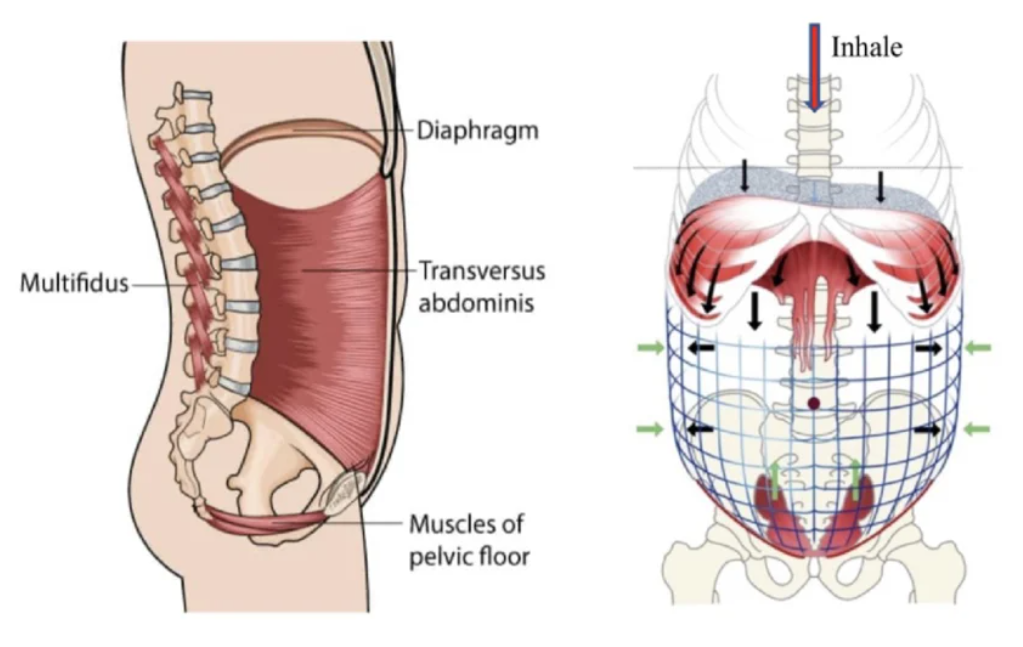
The diaphragm, abdominal wall, and pelvic floor function together to regulate intra-abdominal pressure. When breathing mechanics are coordinated properly, the diaphragm descends during inhalation while the pelvic floor lengthens slightly to accommodate pressure changes.
During exhalation, the abdominal wall and pelvic floor contribute to restoring support to the system.
Holding the breath or bearing down during exercise can increase downward pressure into the pelvic floor. For individuals experiencing pelvic floor dysfunction, this can reinforce undesirable loading patterns.
Learn more at an upcoming workshop:
templehp.com/workshop
Join our membership for a live education session every month:
templehp.com/members