Self-care
Guided movement in four areas — Mobility, Stability, Power, and Performance. The same principles used in the studio, practiced at home or between sessions.


Physiokinetix · Self-Care for Dentistry
Physiokinetix is an education program built by Paul Kelly over more than twenty years at Temple Human Performance. It brings manual therapy, applied kinesiology, neuroscience, and movement together so there is a clear path for how a body should repair, remold, and move for life.

Two sides of the work
Guided movement in four areas — Mobility, Stability, Power, and Performance. The same principles used in the studio, practiced at home or between sessions.
Workshops, home study, and mentorship. Assessment, manual therapy, loading, and movement, with the emphasis on why a choice is made.
Examples from PKT self-care
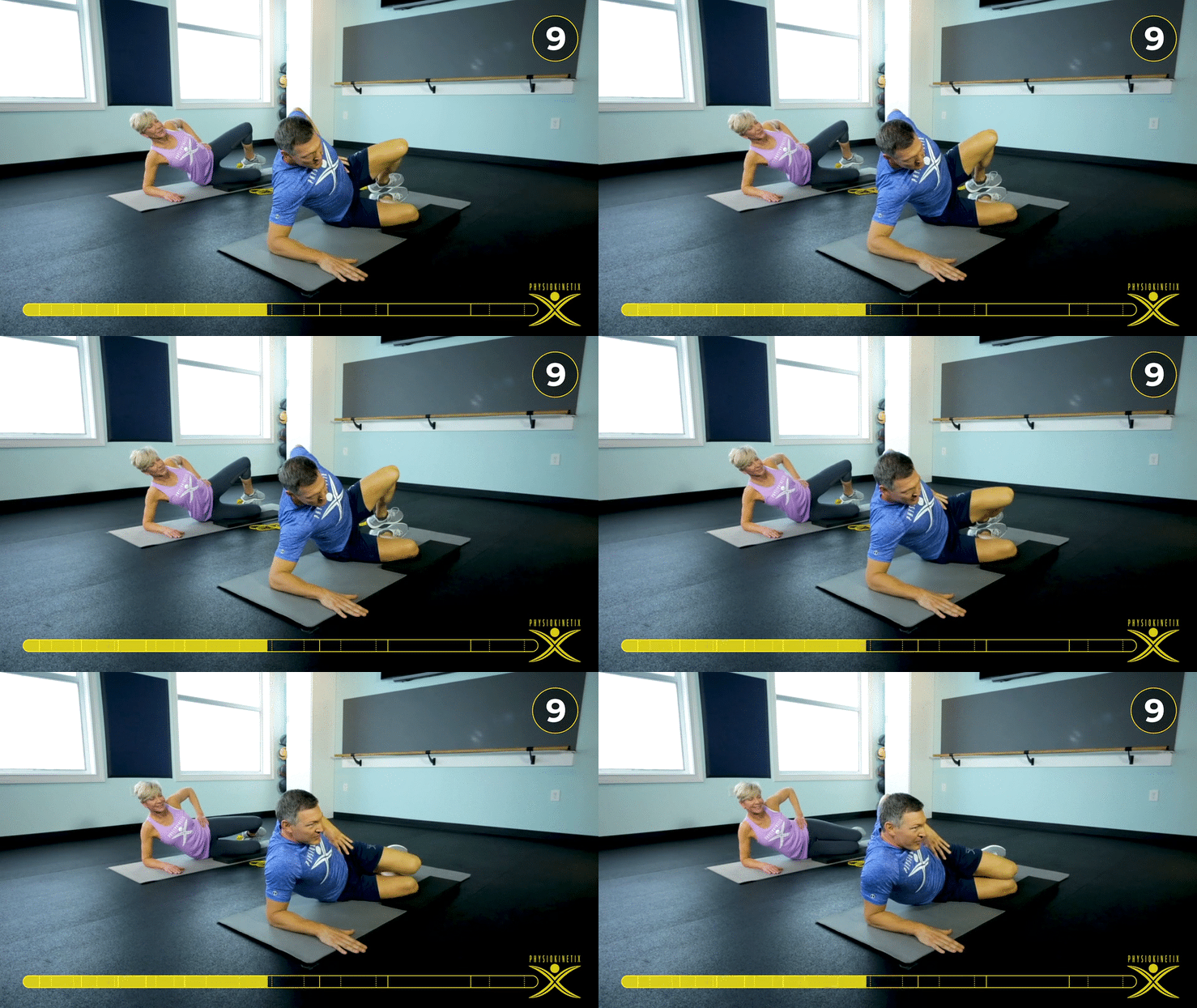
Range and ease so the rest of the work has somewhere to go.
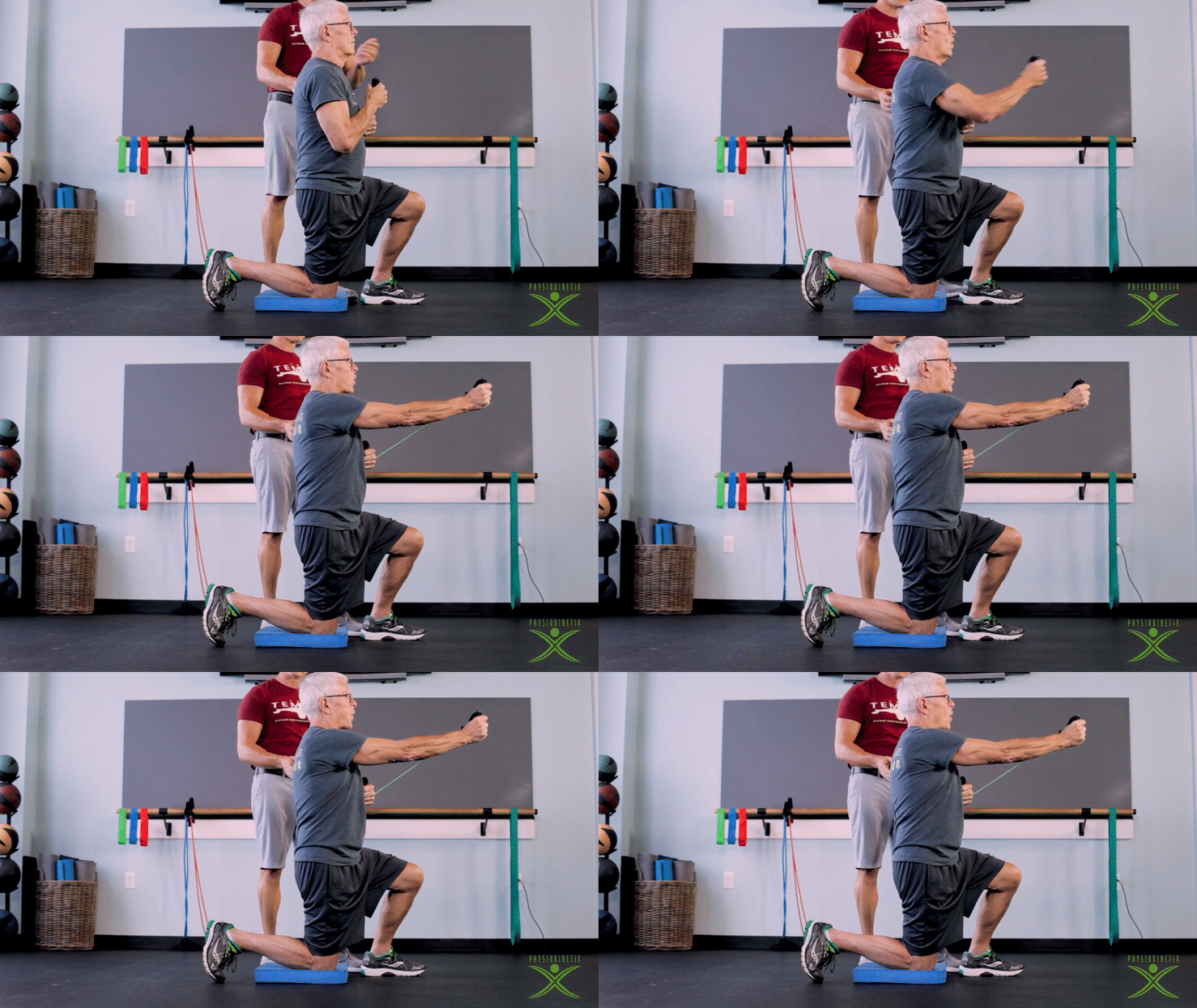
Control through all three planes — useful when the day is spent in one posture.
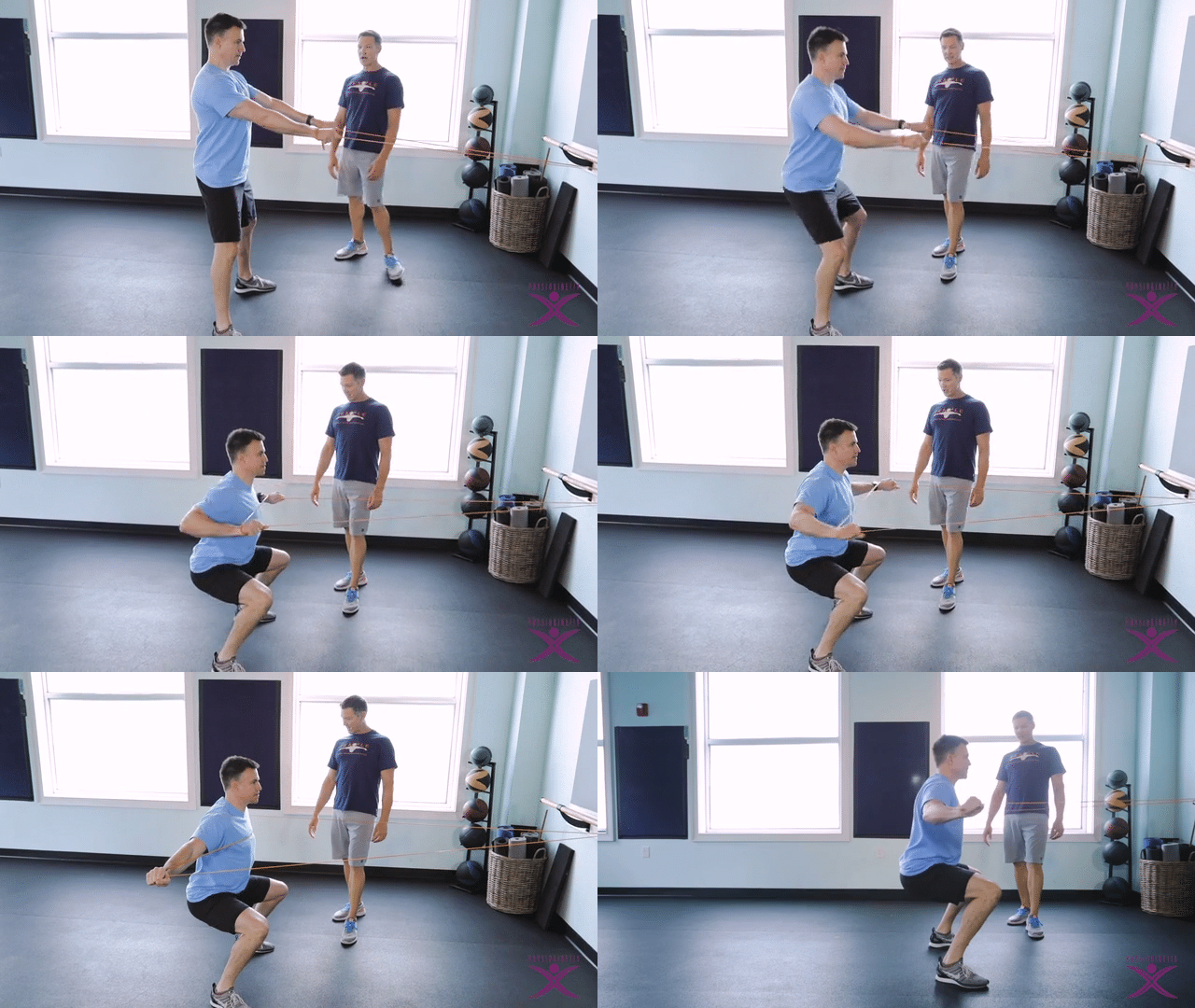
Power and endurance without losing coordination.
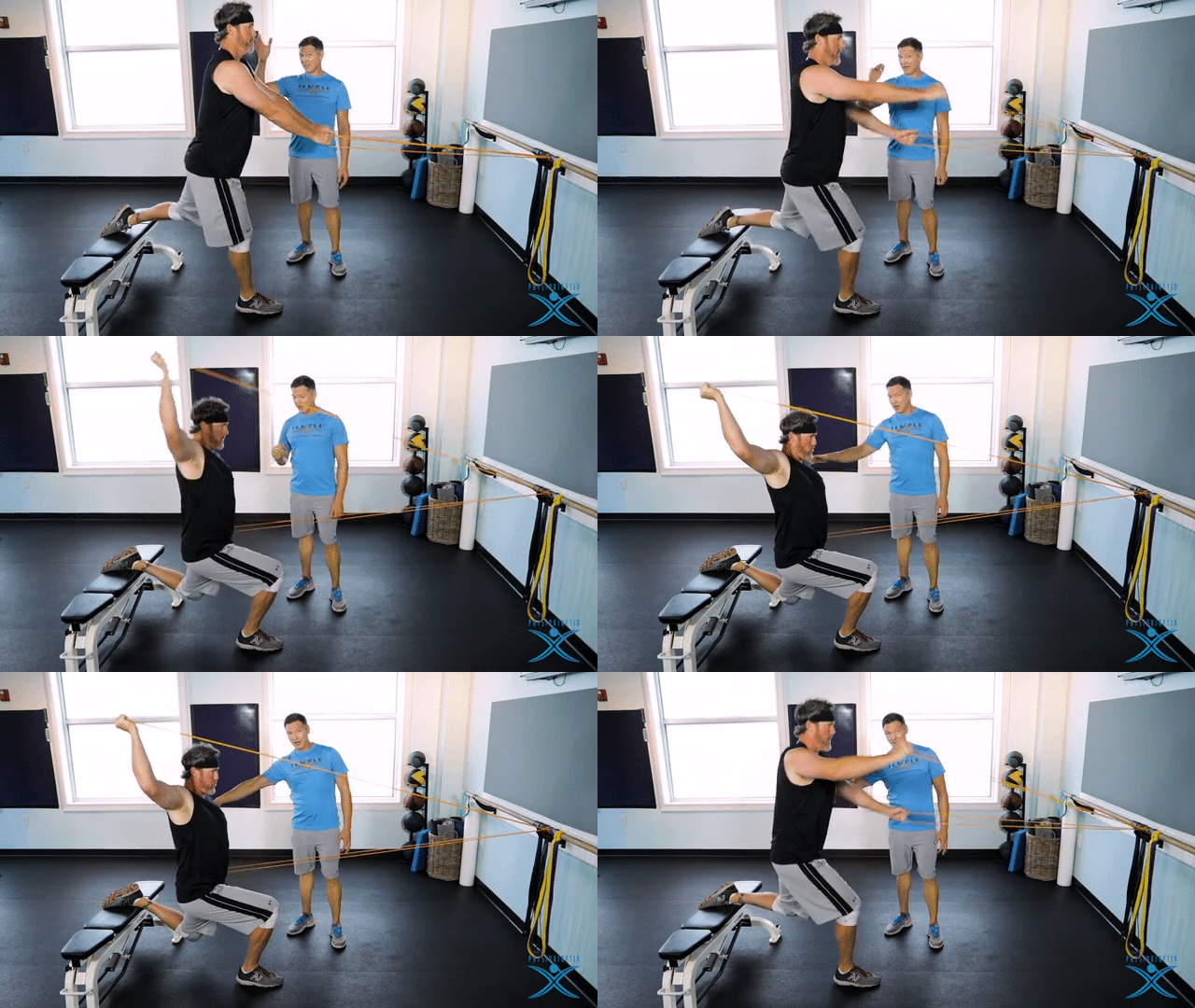
Timing, balance, and the patterns that show up in work.
How to get the self-care work
Videos are the instruction. Packages add the workbooks and the equipment those levels use. Pick one path — you do not need both.
Lifetime access to the guided practices, organized by level. Use these on their own if you already have bands, a mat, and a place to work.
Mobility videos Stability videos Power videos Performance videosSame videos, plus the physical workbooks and the equipment required to run the techniques. This is the complete-pack path.

Levels 1 + 2. Videos, workbooks, and the gear those two levels use.
Pain Management pack
Levels 1–4. The Complete “Move For Life” system.
Complete packHighlighted in the teaching

A two-part micro-course on how vision, hearing, stance, and the vestibular system shape movement. When those inputs disagree, the neck, jaw, and balance strategies often compensate. The course shows how to notice that and use it in assessment.
Multisensory Integration pack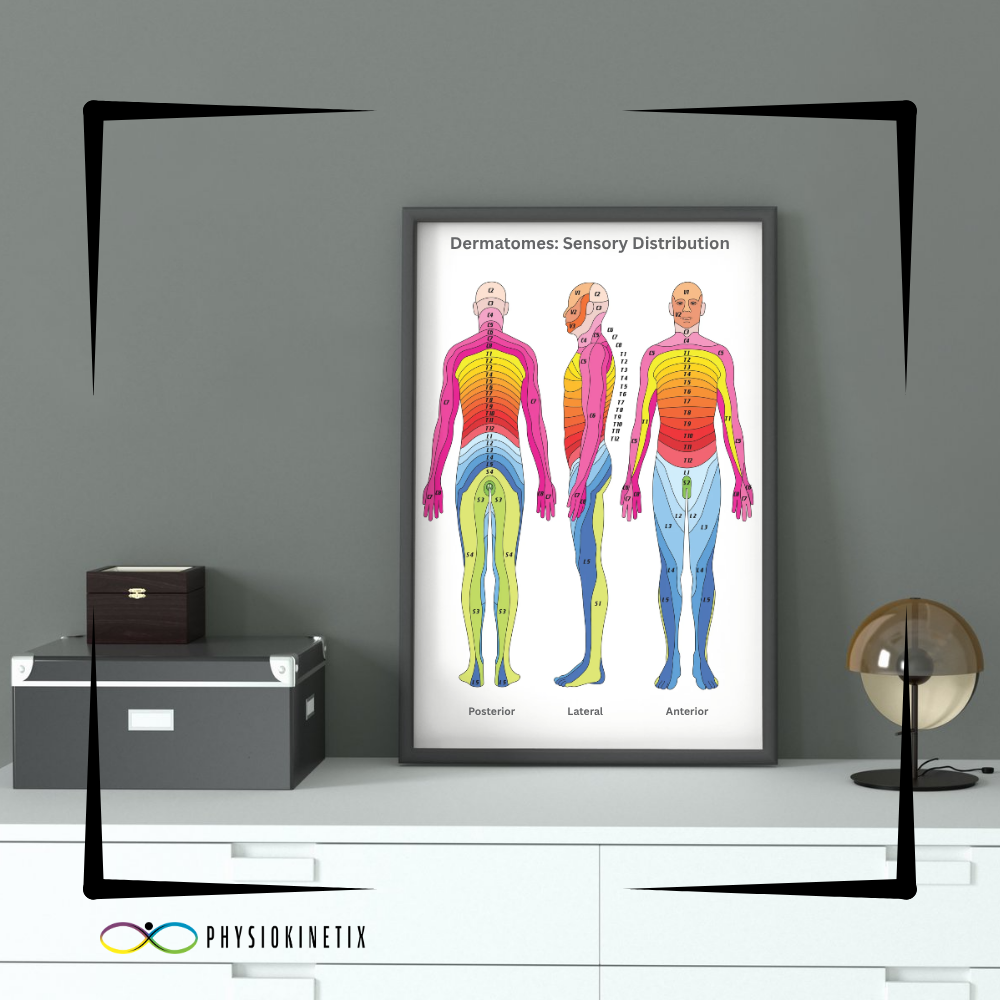
A large-format poster with front, side, and back views, plus short notes on why dermatomes matter in assessment. The same map Paul is using in the teaching — built so a sensory pattern is easier to see and easier to explain.
Preorder the dermatome chartKeep going
Explore more of PKT Shop equipment and content